Wall Cladding Bendigo: A Comprehensive Exploration
Introduction
Welcome to an in-depth exploration of a dynamic and innovative construction practice that has been transforming architectural landscapes—Wall Cladding Bendigo. This article aims to guide readers through the intricacies of this craft, its global impact, economic implications, technological strides, regulatory framework, challenges, and future prospects. By delving into these aspects, we uncover the multifaceted nature of Wall Cladding Bendigo and its significance in the construction industry.
Understanding Wall Cladding Bendigo: A Definition and Its Essence
What is Wall Cladding?
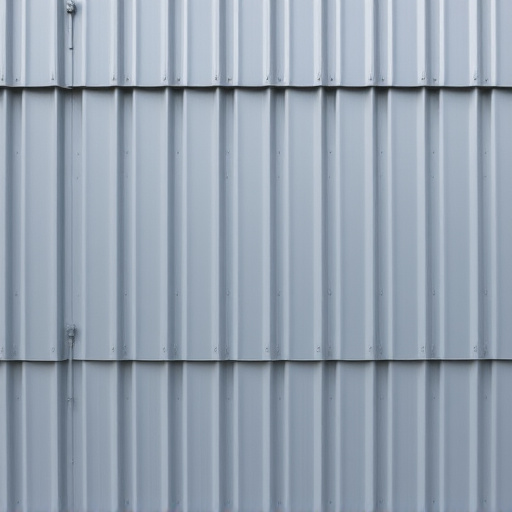
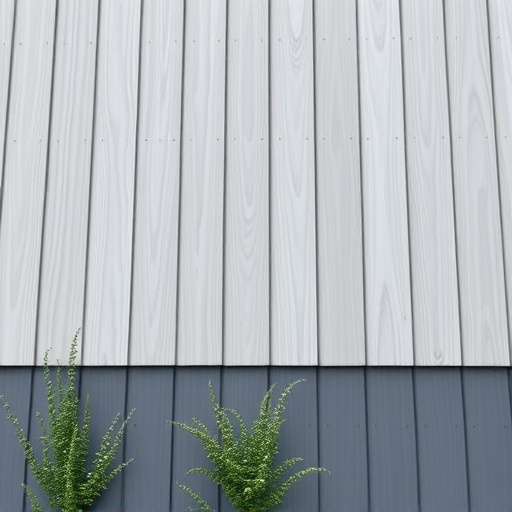
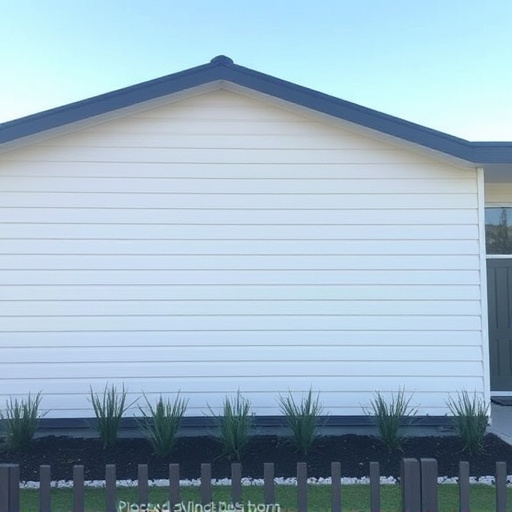
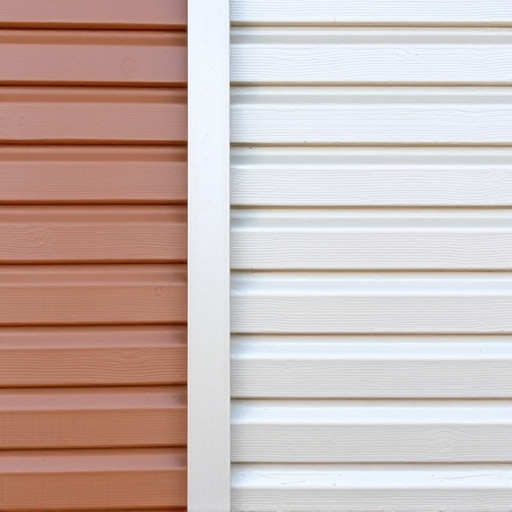
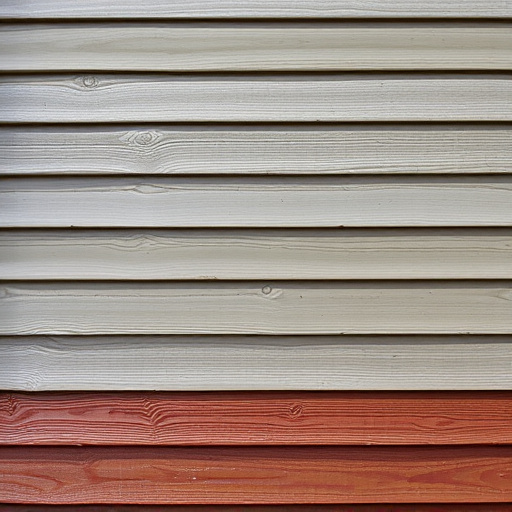
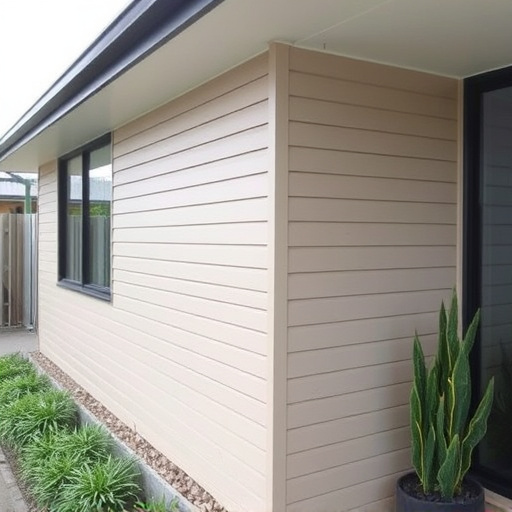
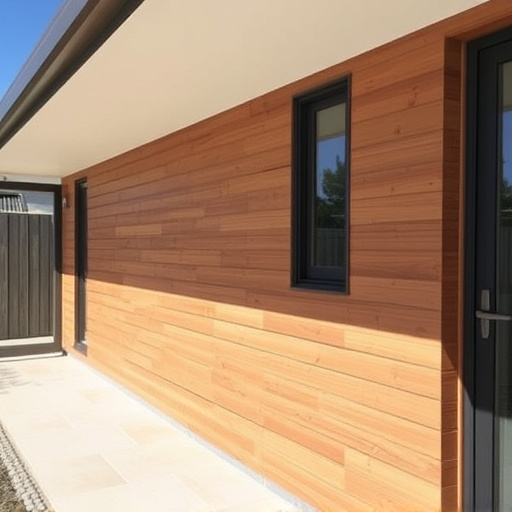
Wall cladding, at its core, involves the exterior covering or wrapping of a building’s walls to enhance aesthetics, provide insulation, protect against environmental factors, and offer structural support. It can be made from various materials, including brick, stone, wood, metal, glass, and composite panels.
Bendigo: A Unique Application
In the context of this article, Wall Cladding Bendigo refers to the specific application and customization of cladding techniques in and around the city of Bendigo, Australia. Bendigo, known for its rich history and architectural heritage, has embraced innovative cladding methods, resulting in visually stunning and functional buildings. This unique approach combines traditional elements with modern design, catering to both aesthetic preferences and practical considerations.
Core Components:
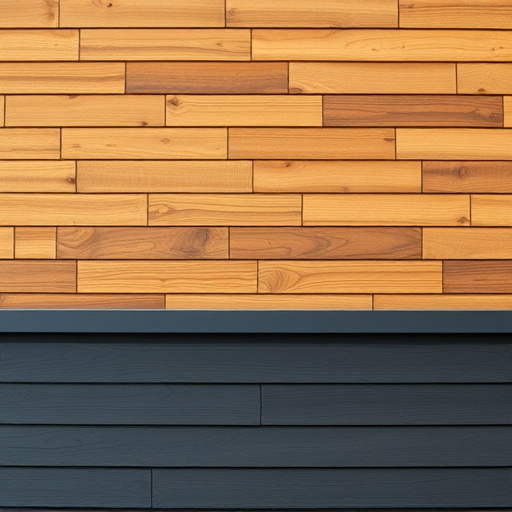
- Cladding Materials: As mentioned, these range from natural stones like sandstone and granite to contemporary options such as fiber cement boards, aluminum panels, and even timber veneers.
- Substrates: The underlying surface upon which cladding is attached, often including concrete, steel frameworks, or existing brick walls.
- Fixing Systems: Mechanisms used to secure the cladding panels, ensuring stability and durability. These include screws, bolts, and specialized clips.
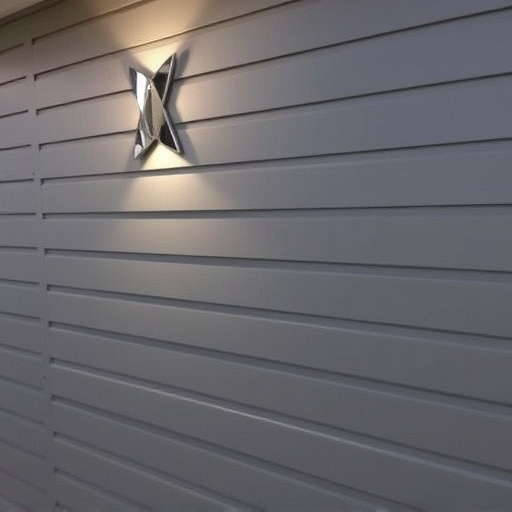
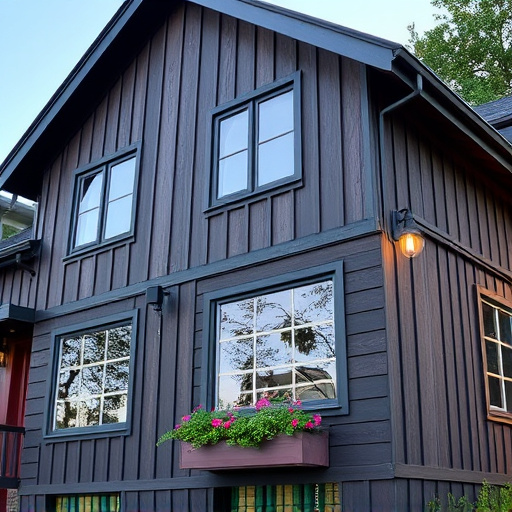
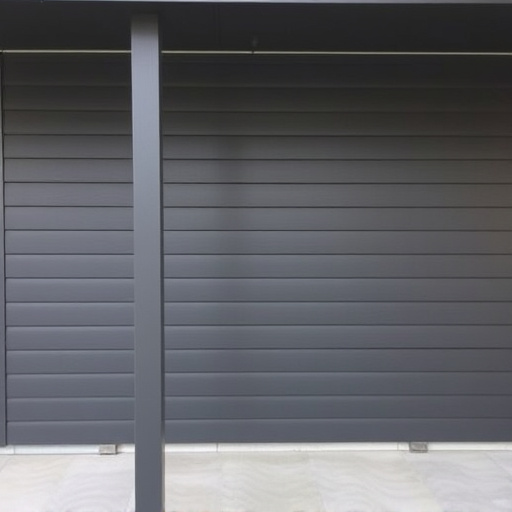
- Design and Patterns: Cladding designs can vary widely, offering options like vertical or horizontal installations, random patterns, or custom shapes, allowing architects and designers immense creativity.
Historical Context and Significance
A Historical Journey:
Wall cladding has been a part of construction for centuries, with ancient civilizations employing stone and brick laying techniques. However, the modern application of wall cladding in Bendigo traces its roots back to the late 19th century when the city was undergoing rapid development. Traditional building methods were enhanced with the introduction of new materials and designs, reflecting the architectural trends of the time.
Significance within Bendigo:
- Preservation of Heritage: Bendigo boasts a wealth of historical architecture, and wall cladding has played a crucial role in preserving these heritage sites. Cladding techniques help protect old buildings while giving them a new lease of life.
- Aesthetic Appeal: The city’s landscape is characterized by visually appealing buildings, many of which feature unique cladding designs. This aesthetic enhancement contributes to Bendigo’s vibrant and distinctive character.
- Structural Integrity: Cladding provides additional structural support, ensuring the longevity of buildings, especially in areas prone to extreme weather conditions.
Global Impact and Trends
International Influence:
Wall cladding practices in Bendigo have not remained isolated; they have influenced and been influenced by global trends. The city’s innovative designs and material choices have gained international recognition, inspiring similar applications worldwide. Architects and designers from diverse regions visit and study Bendigo’s cladding techniques, leading to cultural exchanges and knowledge sharing.
Global Cladding Trends:
- Sustainability Focus: A growing trend globally is the use of sustainable materials in wall cladding. Bendigo has been at the forefront of this movement with its adoption of fiber cement boards and recycled metal panels, which offer durability and reduced environmental impact.
- Modular Cladding Systems: Pre-fabricated modular cladding systems are gaining popularity for their speed of installation and cost-effectiveness. Bendigo’s construction industry has embraced these systems, ensuring efficient building processes.
- Smart Cladding: Integrating technology into cladding is another emerging trend. This includes sensors for structural monitoring and energy-efficient materials that respond to environmental conditions.
Regional Variations:
Different regions worldwide interpret wall cladding differently, influenced by local climates, architectural styles, and cultural preferences:
| Region |
Notable Trends |
Unique Features |
| Europe |
Historic brick and stone cladding, modern glass facades |
Use of traditional materials with contemporary designs |
| North America |
Wood cladding, metal panels |
Emphasis on natural material aesthetics |
| Asia Pacific |
Concrete, stainless steel |
Fusion of traditional and industrial aesthetics |
| Middle East |
Marble, granite |
Luxurious use of natural stones |
Economic Considerations
Market Dynamics:
The wall cladding industry in Bendigo is a significant economic driver, contributing to local employment, material supply, and construction services. The demand for aesthetically pleasing and durable cladding has led to the establishment of specialized businesses, from manufacturers to installers.
Investment Patterns:
- Residential Sector: High-end residential developments often feature custom wall cladding designs, attracting investors seeking unique properties.
- Commercial Projects: Office buildings, retail spaces, and hotels in Bendigo showcase innovative cladding, reflecting the city’s modern image and boosting property values.
- Government Initiatives: Local councils promote energy-efficient cladding, providing incentives for developers, which drives the adoption of sustainable materials.
Economic Impact:
- Job Creation: The industry supports a range of skilled tradespeople, from masons to engineers, contributing to Bendigo’s robust construction workforce.
- Material Supply Chain: Local and regional suppliers benefit from the demand for cladding materials, fostering a healthy economy.
- Tourism Enhancement: Visually appealing buildings attract tourists, boosting local businesses and the overall economy.
Technological Advancements
Innovations Shaping Cladding:
Technology has revolutionized wall cladding in Bendigo, offering new possibilities and enhancing existing practices:
- 3D Printing: This technology is being explored for custom cladding designs, allowing for intricate patterns and rapid prototyping.
- Digital Design Software: Advanced CAD (Computer-Aided Design) software enables architects to visualize and refine cladding plans, ensuring precision and minimizing errors.
- Robotic Cladding Systems: Robotic arms are being developed for efficient and accurate cladding installation, particularly in challenging areas.
- Smart Materials: New materials with self-cleaning, thermal regulatory, and antimicrobial properties are emerging, offering functional advantages.
Future Potential:
The future holds immense potential for technology-driven innovations:
- Enhanced Durability: Advanced coatings and protective layers can extend the lifespan of cladding, reducing maintenance costs.
- Integrated Solar Panels: Cladding panels integrated with solar cells offer sustainable energy solutions for buildings.
- Interactive Facades: Cladding could incorporate LED lighting and other interactive elements, transforming buildings into dynamic art forms.
Policy and Regulation
Key Policies and Frameworks:
The development of wall cladding in Bendigo is guided by various policies and regulations designed to ensure safety, sustainability, and aesthetic harmony:
- Building Codes: Local councils enforce building codes that specify minimum standards for construction, including cladding requirements.
- Environmental Regulations: Policies promoting energy efficiency and sustainable materials influence the choice of cladding options.
- Heritage Preservation: Strict guidelines exist to protect heritage sites, governing the cladding of historical buildings.
- Planning Permits: Developers must obtain planning permits, considering factors like design, material use, and impact on neighbors.
Regulatory Influence:
These regulations play a crucial role in:
- Ensuring Safety: Preventing structural failures and ensuring fire safety through appropriate material choices and installation methods.
- Promoting Sustainability: Encouraging the use of eco-friendly materials and designs that reduce environmental impact.
- Maintaining Aesthetics: Preserving the city’s unique character and architectural diversity while allowing for modern interpretations.
Challenges and Criticisms
Overcoming Obstacles:
Despite its many advantages, wall cladding in Bendigo faces certain challenges:
- Cost: High-quality cladding materials and specialized installation can be expensive, making it less accessible for smaller projects or budget-constrained developers.
- Weather Conditions: Extreme weather events can impact the longevity of cladding, requiring careful material selection and additional maintenance.
- Skill Shortage: The demand for skilled cladding installers exceeds the supply in some regions, leading to potential delays and quality issues.
Criticisms and Solutions:
| Criticism |
Proposed Solution |
| Lack of Standardization |
Develop industry standards and guidelines to ensure consistent quality and installation practices. |
| High Initial Costs |
Offer financial incentives and grants for developers adopting sustainable cladding, making it more affordable. |
| Weather-related Issues |
Promote the use of weatherproof materials and provide training on maintenance and repair techniques. |
Case Studies: Successful Applications
Project 1: The Heritage Revival
In the heart of Bendigo’s historic district, a team of architects and builders revitalized an old warehouse using traditional brick cladding with modern accents. This project preserved the building’s heritage while creating a vibrant space for contemporary art exhibitions. The use of locally sourced bricks and intricate bricklaying techniques won accolades for its respect for the site’s past.
Project 2: Sustainable Skyrise
A recent high-rise residential development embraced sustainability with fiber cement boards and solar panels incorporated into the cladding. This design not only reduced the building’s carbon footprint but also provided residents with stunning panoramic views. The project received numerous awards for its innovative approach to green construction.
Project 3: Industrial-Meets-Modern
A former industrial warehouse was transformed into a co-working space, featuring steel and glass cladding. This blend of industrial aesthetics and modern design attracted tech startups and creative businesses. The project demonstrated how wall cladding can adapt to diverse uses while preserving the site’s original character.
Future Prospects: A Glimpse Ahead
Emerging Trends:
- Biophilic Cladding: Incorporating natural elements like plants and living walls into cladding designs to enhance indoor air quality and create a connection with nature.
- Adaptive Cladding: Cladding systems that change color or pattern based on environmental conditions, offering dynamic facades.
- Modular Micro-Houses: Pre-fabricated, modular homes featuring innovative cladding, providing affordable housing solutions.
Strategic Considerations:
- Sustainability at the Forefront: As global awareness of climate change grows, sustainable materials and designs will be increasingly important, driven by both regulatory bodies and consumer demand.
- Digital Integration: The integration of IoT (Internet of Things) technology into cladding systems could enable smart buildings that adapt to changing conditions.
- Community Engagement: Future projects may prioritize community input, ensuring that new developments align with the desires and needs of local residents.
Conclusion: Wall Cladding Bendigo’s Bright Future
Wall cladding in Bendigo has evolved from a traditional construction technique to a dynamic art form and essential tool for modern architecture. Its global influence is evident in diverse applications, yet it remains deeply rooted in the city’s unique character. By embracing technological advancements, addressing economic considerations, and navigating regulatory frameworks, the practice continues to flourish.
The future holds immense potential for wall cladding, with innovations that enhance sustainability, functionality, and aesthetics. As Bendigo looks ahead, its commitment to preserving heritage while embracing modernity ensures that wall cladding will remain a defining feature of its architectural landscape.
FAQ Section: Answering Common Queries
Q1: How does wall cladding benefit the energy efficiency of buildings?
A: Wall cladding can significantly improve energy efficiency by providing insulation, reducing heat transfer, and regulating indoor temperatures. Sustainable materials like fiber cement boards and recycled metal panels are also designed to minimize thermal bridging, further enhancing energy savings.
Q2: Are there any local regulations regarding the use of natural stone in wall cladding?
A: Yes, local building codes and heritage guidelines often have specific requirements for using natural stone in cladding. These may include standards for material sourcing, installation techniques, and preservation of historical buildings. Developers must ensure compliance to avoid legal issues.
Q3: Can wall cladding be easily maintained, especially in outdoor areas?
A: Properly installed and maintained cladding can be quite durable. Regular cleaning and inspection are essential, particularly for exterior surfaces. Repairs should be addressed promptly to prevent damage. Some materials, like fiber cement boards, are designed to withstand harsh weather conditions with minimal maintenance.
Q4: How does the cost of wall cladding compare to traditional building methods?
A: The initial cost of high-quality cladding materials and specialized installation can be higher than conventional methods. However, long-term savings may result from reduced maintenance, energy efficiency, and increased property value. Additionally, incentives and grants for sustainable practices can offset the initial investment.
Q5: What role does wall cladding play in urban renewal projects?
A: Wall cladding is a powerful tool for urban renewal, allowing developers to transform bland or outdated structures into visually appealing destinations. It can revive areas, attract new businesses, and enhance the overall quality of life for residents, thereby contributing to successful urban regeneration.
Steeline Roofing Centre Bendigo provides top-quality cladding solutions for residential and commercial properties, offering a diverse range of materials and finishes catering to all design preferences. Their expert team delivers durable, aesthet…….
Continue Reading
Steeline Roofing Centre Bendigo is a leading provider of wall cladding solutions, offering a rich history of expertise and a focus on sustainability and innovation. They supply high-quality Reserve Wall Cladding suitable for Australia's cli…….
Continue Reading
Wall Cladding Bendigo is a powerful tool for enhancing property exterior aesthetics and functionality. Steeline Roofing Centre Bendigo offers tailored solutions, including durable steel cladding, improving energy efficiency, weather protection,…….
Continue Reading
Steeline Roofing Centre Bendigo stands out for its lightning-fast and efficient wall cladding services, leveraging streamlined processes, advanced technology, and a skilled team to deliver top-quality results at rapid turnarounds. They optimize…….
Continue Reading
Steeline Roofing Centre Bendigo is a leading provider of efficient, durable, and compliant wall cladding solutions for both residential and commercial projects. With a focus on speed without sacrificing quality, they offer streamlined processes,…….
Continue Reading
Vertical wall cladding is transforming architectural landscapes in Bendigo with its robust protection from elements and enhanced aesthetics. Steeline Roofing Centre Bendigo, located at 6 Harrien Ct, Epsom VIC 3551, offers cutting-edge solutions…….
Continue Reading
Steeline Roofing Centre in Bendigo offers custom wall cladding solutions for both modern and traditional properties, enhancing aesthetics and structural integrity with top-quality materials. Their expert team provides personalized guidance, inst…….
Continue Reading
Steeline Roofing Centre Bendigo, at 6 Harrien Ct, Epsom VIC 3551, Australia, is a leading provider of superior wall cladding solutions. They offer a wide range of high-quality and sustainable cladding options for diverse architectural styles, ba…….
Continue Reading
Steeline Roofing Centre Bendigo offers a diverse range of high-quality, durable wall cladding options suitable for various architectural styles and local climate conditions. Their expert team guides customers in selecting materials that enhance…….
Continue Reading
Steeline Roofing Centre Bendigo, located at 6 Harrien Ct, Epsom VIC 3551, Australia, is a trusted source for roofing and cladding solutions. They offer expert guidance, high-quality products, and convenient access to enhance property curb appeal…….
Continue Reading
Steeline Bendigo is a leading provider of high-quality wall cladding solutions in the region. They offer a wide range of options from steel to composite materials, catering to various styles and budgets. With a seamless checkout process, expert…….
Continue Reading
Wall cladding is a popular and practical choice for home renovations in Bendigo, offering both aesthetic appeal and protection against varying weather conditions. Steeline Roofing Centre Bendigo provides personalized guidance on options like vin…….
Continue Reading
SteeLine Roofing Centre Bendigo is a premier destination for high-quality wall cladding solutions, offering an extensive range of options for every architectural style. Located at 6 Harrien Ct, Epsom VIC 3551, Australia, their products undergo s…….
Continue Reading
Steeline Roofing Centre Bendigo is your one-stop solution for efficient and high-quality wall cladding services across residential and commercial projects. With a focus on historic restoration and modern aesthetics, they offer flexible order ful…….
Continue Reading
Steeline Roofing Centre Bendigo offers a comprehensive selection of wall cladding options tailored to individual needs and budgets. Located at 6 Harrien Ct, Epsom VIC 3551, Australia, they combine local expertise with diverse material choices&md…….
Continue Reading
The Steeline Roofing Centre Bendigo, located at 6 Harrien Ct, Epsom VIC 3551, Australia, is a premier supplier and installer of high-quality wall cladding solutions. They offer innovative, sustainable options for exterior architecture, catering…….
Continue Reading
Steeline Roofing Centre Bendigo, located at 6 Harrien Ct, Epsom VIC 3551, Australia, is a leading provider of exterior wall cladding solutions. They offer a wide range of high-quality options catering to diverse architectural styles and personal…….
Continue Reading
Steeline Roofing Centre in Epsom, VIC, is a leading provider of vertical wall cladding solutions for both residential and commercial spaces in Bendigo. This modern technique involves installing panels or tiles vertically on walls, offering aesth…….
Continue Reading
Steele Roofing Centre Bendigo offers a diverse range of high-quality wall cladding options catering to various architectural styles and performance demands. They provide expert guidance, ensuring clients select the right cladding for their proje…….
Continue Reading